Why Healthy Hair Starts from Within: A No-Fluff Routine That Actually Works
You wash, condition, and style your hair—but does it still look dull or feel weak? I’ve been there. After years of chasing fixes that failed, I realized healthy hair isn’t just about products. It’s about consistent, science-backed habits. From what you eat to how you sleep, every choice impacts your strands. This is a real, step-by-step system I’ve tested and lived—no hype, just results. Let’s break down how to build stronger, shinier hair the sustainable way.
The Truth About Hair Health: It’s More Than Shampoo
Hair is often seen as a cosmetic feature, something to be styled and colored for appearance. But beneath the surface, each strand tells a story about your overall health. The belief that expensive shampoos or salon treatments alone can transform hair is widespread—but incomplete. While external care plays a role, lasting strength and shine begin internally. Hair growth is a biological process influenced by nutrition, hormone balance, metabolism, and even emotional well-being. When the body lacks essential nutrients or faces prolonged stress, one of the first places it shows is in the hair.
Each hair follicle is a living structure fed by blood vessels and regulated by hormones. The visible part of the hair—the shaft—is made of dead keratin protein, but its foundation lies in the scalp, where active growth occurs. Disruptions in this process can lead to thinning, slow growth, or excessive shedding. Conditions like telogen effluvium, often triggered by illness, surgery, or emotional stress, cause more hairs than normal to enter the resting phase and fall out months later. This delay means many women don’t connect hair loss with a past event, making it confusing and frustrating.
Science shows that hair reflects internal status more than most realize. For example, low iron levels—even without full anemia—can impair hair growth. Similarly, thyroid imbalances, whether hypothyroidism or hyperthyroidism, often present with changes in hair texture and density. These are not rare issues; they affect millions of women, especially between the ages of 30 and 55, when hormonal shifts from perimenopause or lifestyle stress become more common.
External products may improve appearance temporarily—adding moisture, reducing frizz, or creating volume—but they don’t address root causes. A split end can be trimmed, but if new hair continues to grow weak, the cycle repeats. True improvement requires a shift from symptom management to systemic support. This means looking beyond the bathroom cabinet and focusing on daily habits that nourish the body as a whole. When internal health improves, hair often follows—naturally, steadily, and sustainably.
Nutrition as the Core: What Fuels Stronger Strands
If hair is a reflection of health, then food is the foundation. Keratin, the primary protein in hair, is built from amino acids obtained through diet. Without adequate protein intake, the body prioritizes vital organs over hair growth, leading to slower growth or increased shedding. But protein is only one piece. A range of vitamins and minerals act as co-factors in the complex process of hair production. Deficiencies in even one nutrient can disrupt the cycle and compromise hair quality.
Iron stands out as a critical player. It helps red blood cells carry oxygen to tissues, including hair follicles. Low ferritin—the stored form of iron—is frequently linked to hair thinning, especially in women with heavy menstrual cycles. Studies suggest that maintaining ferritin levels above 50 ng/mL supports healthy hair growth, even if blood counts are within the “normal” range. Good dietary sources include lean meats, lentils, spinach, and fortified cereals. Pairing these with vitamin C-rich foods like bell peppers or citrus enhances absorption.
Zinc is another essential mineral involved in cell reproduction and protein synthesis. It supports the oil glands around follicles and helps regulate the immune response in the scalp. Zinc deficiency can lead to dryness, dandruff, and hair loss. Oysters are the richest source, but pumpkin seeds, chickpeas, and cashews also provide meaningful amounts. However, balance is key—excess zinc can interfere with copper absorption and may worsen hair issues.
Biotin, often marketed as a hair growth supplement, does play a role in keratin production. However, true biotin deficiency is rare, and excess intake doesn’t guarantee thicker hair. For most women, a balanced diet provides enough. Eggs (especially the yolk), almonds, sweet potatoes, and whole grains are natural sources. More impactful than isolated supplements is a varied diet rich in whole foods—vegetables, fruits, quality proteins, and healthy fats.
Omega-3 fatty acids, found in fatty fish like salmon, flaxseeds, and walnuts, support scalp health by reducing inflammation and keeping skin hydrated. Vitamin D, increasingly recognized for its role in hair cycling, is best obtained through safe sun exposure and foods like fortified milk or fatty fish. While supplements may be necessary in some cases, food-based nutrition offers a broader spectrum of supportive compounds. The goal isn’t perfection but consistency—building meals that fuel the body and, by extension, the hair.
Scalp Care: The Forgotten Foundation
The scalp is the soil from which hair grows. Just as healthy plants require fertile, well-aerated soil, strong hair depends on a clean, balanced scalp environment. Yet, many women focus only on the visible length and neglect the foundation. Product buildup, excess oil, or dryness can clog follicles, restrict growth, and contribute to irritation. A neglected scalp may host inflammation, fungal overgrowth, or poor circulation—all of which impair hair health.
Gentle cleansing is the first step. Washing too infrequently allows sebum and dead skin to accumulate, while over-washing can strip natural oils and disrupt the scalp’s pH. For most women, washing two to three times a week with a mild, sulfate-free shampoo strikes the right balance. Lukewarm water is ideal—hot water can dry the scalp and increase irritation. Massaging the scalp during washing not only feels soothing but also stimulates blood flow, delivering oxygen and nutrients to follicles.
Exfoliation is another valuable practice, helping to remove dead skin cells and unclog pores. Physical scrubs with fine particles or chemical exfoliants like salicylic acid can be used once a week. However, over-exfoliating can damage the skin barrier, so moderation is key. Natural alternatives like a soft-bristle brush or a scalp massage with diluted apple cider vinegar may offer gentle cleansing benefits without harsh ingredients.
Blood circulation is often overlooked but vital. Regular scalp massage, even for just five minutes a day, has been shown in small studies to increase hair thickness over time. The mechanical pressure encourages microcirculation, which supports follicle function. Using fingertips in circular motions—never nails—is safe and effective. Some women incorporate this into their routine while applying oil or simply with dry hands before bed.
Essential oils like rosemary or peppermint are sometimes used for scalp health, with some evidence suggesting they may support circulation or reduce inflammation. However, they must always be diluted in a carrier oil—such as coconut or jojoba—to prevent irritation. Tea tree oil, known for its antimicrobial properties, may help with dandruff but should also be used cautiously. The focus should remain on gentle, consistent care rather than aggressive treatments that may do more harm than good.
Lifestyle Triggers: Stress, Sleep, and Hormones
The body doesn’t operate in isolated systems. What affects the mind or hormones inevitably impacts physical appearance—including hair. Chronic stress, poor sleep, and hormonal fluctuations are silent but powerful disruptors of the hair growth cycle. These factors are especially relevant for women in their 30s to 50s, who may juggle family, careers, and changing bodies—all while trying to maintain a sense of balance.
Stress triggers the release of cortisol, the primary stress hormone. Elevated cortisol over time can push hair follicles prematurely into the resting phase, leading to increased shedding several months later. This type of hair loss is usually temporary but can feel alarming. The good news is that managing stress can reverse the trend. Mindfulness practices such as deep breathing, meditation, or journaling have been shown to lower cortisol levels. Even short walks in nature or moments of quiet reflection can make a difference when practiced regularly.
Sleep is equally important. During deep sleep, the body repairs tissues, balances hormones, and regenerates cells—including those in the scalp. Disrupted or insufficient sleep impairs these processes. Aim for seven to eight hours of quality rest each night. Establishing a bedtime routine—dimming lights, avoiding screens, and sipping herbal tea—can signal the body it’s time to wind down. Consistency matters more than perfection; going to bed and waking up at similar times, even on weekends, supports circadian rhythm.
Hormonal changes, particularly during perimenopause, can also influence hair. Declining estrogen levels may lead to finer, slower-growing hair, while relative increases in androgens can contribute to thinning at the crown. These shifts are natural but not inevitable in their impact. Supporting hormone balance through diet (rich in fiber and phytoestrogens like flaxseeds), regular movement, and stress reduction can help buffer these effects. Always consult a healthcare provider if hormonal concerns are suspected—blood tests can clarify imbalances and guide appropriate care.
The key is not to eliminate stress or achieve perfect sleep but to build resilience. Small, sustainable habits—like five minutes of stretching, a nightly gratitude list, or turning off devices an hour before bed—add up. These choices don’t just support hair; they enhance overall well-being, creating a positive feedback loop between inner health and outer vitality.
Hair Handling: The Damage You’re Probably Causing
Even with excellent internal care, daily habits can undo progress. Mechanical and thermal damage are common yet preventable causes of weakened hair. Many women unknowingly harm their strands through routine actions—brushing wet hair, using hot tools daily, or wearing tight styles for long periods. These behaviors create cumulative stress, leading to breakage, split ends, and reduced length retention.
Wet hair is especially vulnerable. When saturated with water, the hair shaft swells and becomes more elastic, making it prone to stretching and snapping. Aggressive brushing or towel-drying with rough fabric can cause significant damage. Instead, gently squeeze out excess water with a microfiber towel or an old cotton T-shirt, which are gentler on the cuticle. Detangling should be done with a wide-tooth comb, starting from the ends and working upward slowly.
Heat styling tools—flat irons, curling wands, blow dryers—can reach temperatures high enough to degrade keratin, the protein that gives hair strength. Frequent use leads to dryness, brittleness, and loss of shine. When heat tools are used, always apply a heat protectant and keep the temperature moderate. Better yet, allow hair to air-dry whenever possible. Embracing natural texture not only reduces damage but can also save time and boost confidence.
Hair accessories matter too. Tight ponytails, braids, or buns pull on the follicles, especially around the hairline. Over time, this tension can lead to traction alopecia, a form of hair loss caused by constant pulling. Opt for loose styles and use fabric-covered elastics or silk scrunchies, which reduce friction. Changing the position of ponytails daily can also minimize strain on specific areas.
Chemical treatments like coloring, bleaching, or relaxing alter the hair’s structure and weaken its integrity. While these services are personal choices, spacing them out and using conditioning treatments in between can help maintain strength. Deep conditioning masks, especially those with ingredients like shea butter or argan oil, restore moisture and improve elasticity. The goal is not to avoid styling altogether but to make informed, protective choices that preserve hair health over time.
Tracking Progress: What to Expect and When
Patience is one of the most important tools in any hair health journey. Hair grows slowly—on average, about half an inch per month. Changes from improved nutrition, better sleep, or reduced stress may take weeks or even months to become visible. This delay can be discouraging, especially when immediate results are expected. However, subtle improvements often appear before length increases. Learning to recognize these signs is key to staying motivated.
Reduced shedding is often one of the first positive changes. While it’s normal to lose 50 to 100 hairs a day, a noticeable decrease after a few weeks of consistent habits signals improvement. Less breakage, increased shine, and improved texture—such as hair feeling smoother or more manageable—are also early wins. These changes reflect stronger, healthier strands, even if length hasn’t changed yet.
Tracking progress helps maintain perspective. Taking monthly photos under consistent lighting allows for visual comparison over time. A simple journal can record habits—meals, sleep quality, stress levels—and any observations about hair. This not only builds awareness but also helps identify patterns. For example, a week of poor sleep might correlate with increased shedding the following month.
Understanding the hair growth cycle is also helpful. Each follicle goes through phases: growth (anagen), transition (catagen), and resting (telogen). Most hairs are in the growth phase for two to six years, then rest for about three months before shedding. This means new growth from improved habits won’t appear overnight. Consistency over time is what leads to transformation.
It’s also important to recognize when professional help is needed. Sudden or severe hair loss, patchy bald spots, or scalp pain should be evaluated by a healthcare provider. Conditions like alopecia areata, thyroid disease, or nutritional deficiencies may require medical intervention. For most women, however, gradual thinning or slow growth responds well to lifestyle changes. The journey is not about perfection but persistence—showing up for your health every day.
Putting It All Together: A Simple, Sustainable System
Healthy hair doesn’t require extreme measures or expensive treatments. It grows naturally from a body that is well-nourished, well-rested, and well-cared for. The most effective routine is not complicated—it’s consistent. It combines balanced nutrition, scalp hygiene, stress management, and gentle handling into a daily rhythm that supports long-term results.
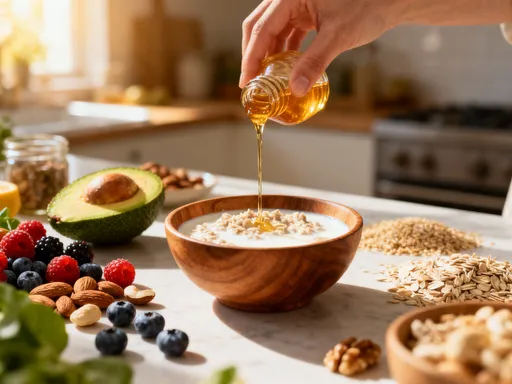
Start with food: build meals around whole grains, lean proteins, colorful vegetables, and healthy fats. Stay hydrated and limit processed foods high in sugar and unhealthy fats, which can promote inflammation. Support your scalp with regular but gentle cleansing and occasional exfoliation. Stimulate circulation with a daily massage, even if only for a few minutes.
Protect your strands by minimizing heat, avoiding tight styles, and using soft fabrics for drying and sleeping. Silk or satin pillowcases reduce friction and help retain moisture. Embrace low-manipulation hairstyles that let hair rest and grow. Prioritize sleep and build small stress-reducing habits into your day—whether it’s a morning stretch, a walk after dinner, or a few minutes of quiet reflection.
Progress, not perfection, is the goal. No single day defines success. If you eat poorly one day or skip a scalp massage, it doesn’t erase your efforts. What matters is the overall pattern. Over time, these choices compound, leading to stronger, shinier, more resilient hair.
Ultimately, healthy hair is not just about appearance—it’s a sign of a healthier life. It reflects the care you give yourself, the choices you make, and the balance you strive for. You don’t need to chase trends or buy every product on the shelf. The power to transform your hair lies in your daily habits. And for most women, the journey begins not in the bathroom, but in the kitchen, the bedroom, and the quiet moments of self-care woven into everyday life.