What I Learned About Recovery After Quitting Smoking and Drinking
Quitting smoking and cutting back on alcohol isn’t just about willpower—it’s about healing your body from the inside out. I tried it, and the changes surprised me. From better sleep to clearer skin, recovery is real, but it’s not always smooth. Many of us fall into the same traps, thinking one change fixes everything. This is what actually helped me rebuild my health—and what almost derailed it. The journey wasn’t linear, but over time, I began to notice shifts that went far beyond the absence of cigarettes and drinks. My energy improved, my breathing deepened, and I felt more present in my own life. What started as a personal experiment became a long-term commitment to self-care, grounded in science, patience, and small, daily choices.
The First Step: Why Quitting Smoking and Limiting Alcohol Matters Most
Smoking and excessive alcohol use are two of the most common yet preventable contributors to chronic disease. When combined, their effects on the body are not just additive—they’re often multiplicative. Both substances place immense strain on the liver, lungs, heart, and immune system. Cigarette smoke contains over 7,000 chemicals, many of which are toxic and carcinogenic, while alcohol is metabolized by the liver into acetaldehyde, a known carcinogen. Together, they accelerate cellular damage, impair oxygen delivery, and weaken the body’s ability to repair itself.
Research consistently shows that eliminating or reducing both habits leads to significant improvements in health outcomes. According to the Centers for Disease Control and Prevention (CDC), people who quit smoking before the age of 40 reduce their risk of smoking-related death by about 90%. Meanwhile, studies from the National Institute on Alcohol Abuse and Alcoholism (NIAAA) indicate that reducing heavy drinking can lower the risk of liver disease, high blood pressure, and certain cancers. When both behaviors are addressed together, the benefits compound. For example, lung function improves more rapidly when alcohol-related inflammation is also reduced, and the liver’s ability to regenerate is enhanced when it’s no longer processing both nicotine and ethanol.
One of the most powerful insights I learned was that tackling both habits simultaneously often leads to better long-term success. Focusing on only one can create a false sense of progress, while the other continues to undermine recovery. For instance, someone who quits smoking but continues heavy drinking may still experience poor sleep, sluggish metabolism, and ongoing oxidative stress—factors that increase the likelihood of relapse. Conversely, reducing alcohol intake while still smoking may limit cardiovascular improvements, since nicotine constricts blood vessels and raises heart rate.
It’s also important to recognize that complete abstinence isn’t the only path to healing. Even modest reductions can initiate positive changes. Cutting down from a pack a day to half a pack, or switching from daily drinking to moderate consumption on weekends, can still trigger biological repair processes. The body responds to less exposure with greater resilience. The key is consistency. Each cigarette avoided and each alcohol-free day becomes a building block for recovery. Over time, these small choices accumulate into lasting transformation, proving that progress doesn’t require perfection—just persistence.
Common Pitfalls People Overlook When Trying to Change
One of the most underestimated challenges in recovery is the expectation of immediate results. Many people assume that within days of quitting, they’ll feel energized, look healthier, and experience effortless willpower. The reality is often different. Early withdrawal symptoms—such as irritability, fatigue, difficulty concentrating, and mood swings—are common and can be discouraging. These are not signs of failure; they are evidence that the body is recalibrating. However, without proper preparation, these discomforts can lead to discouragement and relapse.
Another major pitfall is underestimating emotional and social triggers. Habits like smoking and drinking are often deeply tied to routines, relationships, and stress management. A person might successfully avoid cigarettes during the day but reach for one after a tense conversation. Social settings where others are drinking can create powerful psychological pressure. The desire to fit in or relax can override even the strongest intentions. Without alternative coping strategies, these moments become high-risk situations for backsliding.
A surprisingly common issue is the substitution of one unhealthy behavior for another. Some people, after quitting smoking, begin to snack excessively, particularly on sugary or processed foods. This can lead to weight gain, which in turn affects self-esteem and motivation. Similarly, replacing alcohol with excessive caffeine or sugary beverages may shift the problem rather than resolve it. These substitutions often stem from the brain’s need for stimulation or reward, especially during the early stages of recovery when dopamine levels are adjusting.
It’s crucial to understand that recovery is not a straight line. There will be days of progress and days of struggle. A single cigarette or drink does not erase weeks of effort. What matters most is the ability to acknowledge a setback without defining oneself by it. Self-compassion is not a luxury—it’s a necessity. Viewing recovery as a series of choices rather than a test of moral strength helps reduce shame and increases resilience. By anticipating these challenges and planning for them, individuals can navigate the journey with greater confidence and clarity.
How Your Body Starts Healing—Even in the First 72 Hours
One of the most encouraging truths about quitting smoking and reducing alcohol is that healing begins almost immediately. Within 20 minutes of your last cigarette, heart rate and blood pressure begin to drop. After 12 hours, carbon monoxide levels in the blood return to normal, allowing oxygen to circulate more efficiently. By the 24-hour mark, the lungs start to clear out mucus and debris, and the risk of heart attack begins to decrease. These early changes are silent but powerful—your body is already working to repair itself, even if you don’t feel it yet.
In the first three days, the liver intensifies its detoxification processes. After years of processing alcohol, it begins to break down stored toxins and restore normal enzyme function. This can cause temporary fatigue or mild nausea, but these symptoms are signs of cleansing, not illness. At the same time, the brain starts to rebalance its neurotransmitter levels. Nicotine withdrawal may cause restlessness or difficulty sleeping, but these are temporary disruptions in a system that is recalibrating.
Think of your lungs as a self-cleaning oven. When you stop smoking, the tiny hair-like structures called cilia—paralyzed by smoke—begin to wake up and resume their job of sweeping out pollutants. This is why many people experience a cough in the first week; it’s not a sign of illness, but of healing. The body is finally able to expel years of accumulated tar and debris. Similarly, the liver, often called the body’s filtration system, begins to shrink back to its normal size as inflammation decreases and fat deposits are metabolized.
These early physiological shifts lay the foundation for long-term recovery. While visible changes like clearer skin or improved breath may take weeks, the internal repair is already underway. Understanding this timeline helps manage expectations. The discomfort of the first few days is not a reason to quit—it’s a sign that the body is responding. By recognizing these symptoms as part of the healing process, individuals can approach them with patience rather than fear. The message is clear: your body wants to heal. It has the tools. It only needs the chance.
The Hidden Challenge: Mental Fatigue and Cravings That Creep In
While physical recovery follows a predictable pattern, the mental and emotional aspects of quitting are often more complex. Nicotine and alcohol both affect the brain’s reward system by increasing dopamine, a neurotransmitter associated with pleasure and motivation. Over time, the brain adapts to these artificial boosts by reducing its natural dopamine production. When these substances are removed, the brain must relearn how to function without them, leading to a period of mental fatigue, low mood, and heightened cravings.
Cravings typically peak within the first two to four weeks after quitting. They can be triggered by specific situations—driving, social gatherings, stress, or even certain times of day. These urges are not random; they are conditioned responses formed over years of repeated behavior. The good news is that cravings are temporary. Most last only a few minutes. The challenge is enduring them without giving in. This is where mental strategies become essential.
One effective approach is distraction. Engaging in a simple activity—chewing gum, drinking water, taking a short walk—can disrupt the craving cycle. Mindfulness techniques, such as deep breathing or grounding exercises, help create space between the urge and the action. Instead of reacting automatically, a person can observe the craving without judgment and let it pass. Over time, this builds emotional resilience and reduces dependency on external substances for comfort.
Routine changes also play a critical role. If you used to smoke after dinner, replacing that habit with a new ritual—like brewing herbal tea or doing a brief stretch—helps rewire the brain’s associations. Similarly, avoiding environments where drinking is the norm, at least in early recovery, reduces exposure to triggers. Patience and self-compassion are vital during this phase. The brain needs time to heal, and progress may feel slow. But each craving resisted strengthens the neural pathways of self-control. Recovery is not just about quitting a substance—it’s about reclaiming your mind.
Building a Recovery-Friendly Lifestyle Without Feeling Deprived
Sustainable recovery isn’t built on deprivation—it’s built on replacement. The goal is not to remove pleasure from life, but to redirect it toward healthier sources. This shift requires intentionality and creativity. Instead of focusing on what you’re giving up, focus on what you’re gaining: energy, clarity, better sleep, and a stronger body. Small, consistent changes can make a big difference in how supported and satisfied you feel during recovery.
Simple swaps can ease the transition. For example, replacing evening cocktails with sparkling water infused with lemon, cucumber, or mint provides a similar ritual without alcohol. Herbal teas like chamomile or rooibos offer warmth and comfort, especially during moments when a cigarette or drink used to be a crutch. Taking short walks during work breaks instead of reaching for a smoke helps fulfill the need for pause and movement while boosting circulation and mood.
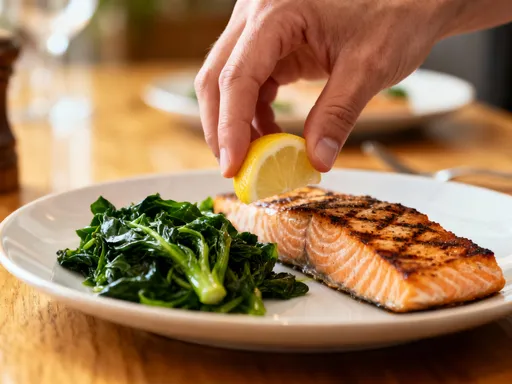
Nutrition plays a key role in recovery. Whole foods—rich in vitamins, minerals, and antioxidants—support cellular repair and stabilize mood. Leafy greens, berries, nuts, and lean proteins provide the building blocks the body needs to heal. Staying well-hydrated helps flush toxins and reduces fatigue. Limiting processed sugars and refined carbohydrates can prevent energy crashes and reduce cravings. Eating regular, balanced meals also helps maintain stable blood sugar, which in turn supports emotional balance.
Physical activity is another powerful ally. Exercise increases endorphins, the body’s natural mood elevators, and helps regulate sleep patterns. Even moderate activities like walking, gardening, or yoga can reduce stress and improve self-esteem. The key is consistency, not intensity. Finding movement that feels enjoyable ensures it becomes a lasting part of life, not a chore. Over time, these new habits form a supportive ecosystem that makes recovery feel less like a struggle and more like a natural way of living.
When Progress Stalls—And How to Move Forward Anyway
There will likely come a point in recovery when progress seems to slow or even reverse. Energy levels may dip, weight might shift unexpectedly, or mood swings may return. These plateaus are normal, but they can be deeply frustrating. They often occur around the one- to three-month mark, when the initial momentum fades and the novelty of change wears off. It’s during these times that self-doubt can creep in, and the temptation to return to old habits grows stronger.
Several factors contribute to these stalls. Hormonal adjustments, particularly in stress hormones like cortisol, can affect appetite and sleep. Lingering inflammation in the body may cause fatigue or joint discomfort. Incomplete rest—whether from poor sleep or overexertion—can slow recovery. Additionally, emotional processing often intensifies during this phase. Without the numbing effect of nicotine or alcohol, buried feelings may surface, requiring attention and care.
When progress stalls, it’s important to shift focus from outcomes to process. Instead of measuring success by how you look or feel on a given day, track small wins: the number of alcohol-free days, the times you resisted a craving, or the moments you chose a healthy meal. Journaling can help identify patterns and provide clarity. Revisiting your original reasons for quitting—whether for family, health, or self-respect—can reignite motivation.
It’s also helpful to reassess routines and support systems. Are you getting enough rest? Are you connecting with others who understand your journey? Sometimes, a minor adjustment—like adding a daily walk, changing your sleep schedule, or talking to a counselor—can reignite progress. The goal is not to achieve perfection, but to keep moving forward, even slowly. Consistency, not speed, defines long-term success.
Sustaining Change: Making Recovery a Quiet, Lasting Part of Life
Over time, the intense focus on quitting fades, and healthy habits become second nature. This is the quiet power of recovery—it no longer feels like a battle, but a way of living. The rituals that once felt forced—drinking tea instead of wine, walking instead of smoking—become automatic. The body feels stronger, the mind clearer, and daily life more manageable. These changes are not flashy, but they are profound.
Long-term benefits extend far beyond the physical. Many people report improved mental clarity, better emotional regulation, and deeper connections with loved ones. Without the fog of nicotine or alcohol, they feel more present. Relationships improve because communication becomes more honest and consistent. Energy levels rise, allowing for greater engagement in work, hobbies, and family life. Immune function strengthens, leading to fewer colds and faster recovery from illness.
Regular check-ins with healthcare providers can help monitor progress and catch any lingering issues early. Blood pressure, liver enzymes, lung function, and cholesterol levels are all indicators of recovery that can be tracked over time. These appointments also provide accountability and encouragement, reinforcing the importance of continued self-care.
Recovery is not about being perfect. It’s about showing up, day after day, even when motivation wanes. It’s about understanding that setbacks are part of the process, not the end of it. The journey teaches resilience, self-awareness, and the value of small, consistent choices. It’s not a single decision, but a series of them—each one a quiet act of courage. And in the end, that’s what makes the difference: not a grand transformation, but a steady, gentle return to health, one breath, one day, at a time.