How Moving More Transformed My Sleep—And Can Help You Too
Struggling with restless nights? You're not alone. Poor sleep affects millions, but one often-overlooked fix is right under our noses: physical activity. I wasn’t convinced at first, but after testing different workouts, I noticed a real shift—falling asleep faster, staying asleep longer, waking up refreshed. Science backs this up: exercise helps regulate your body’s sleep-wake cycle. This guide explores how movement, done right, can quietly revolutionize your rest.
The Hidden Link Between Exercise and Sleep
For years, the connection between physical activity and better sleep was treated as anecdotal. Today, a growing body of research confirms what many have sensed intuitively: regular movement is one of the most effective, drug-free ways to improve sleep quality. According to the National Sleep Foundation, adults who engage in at least 150 minutes of moderate-intensity exercise per week are significantly more likely to report good sleep than those who are inactive. But what exactly happens in the body that makes this possible?
Physical activity influences several biological systems that govern sleep. One of the most important is the circadian rhythm—the internal 24-hour clock that regulates when we feel awake and when we feel tired. Exercise, especially when done at consistent times each day, helps reinforce this rhythm. It does so by affecting core body temperature. When you work out, your body heats up, and the subsequent drop in temperature several hours later signals the brain that it’s time to sleep. This post-exercise cooling mimics the natural dip in body temperature that occurs in the evening, making it easier to fall asleep.
Exercise also plays a powerful role in managing stress hormones. Cortisol, often called the “stress hormone,” follows a natural daily pattern—high in the morning to help us wake up and gradually declining through the day. Chronic stress can disrupt this pattern, leading to elevated cortisol at night, which interferes with sleep onset. Regular physical activity helps normalize cortisol levels, reducing overall stress and promoting a calmer nervous system. At the same time, exercise boosts endorphins and serotonin—neurochemicals linked to improved mood and relaxation—both of which support restful sleep.
Despite the evidence, several misconceptions persist. One common myth is that only intense workouts, like running or high-intensity interval training, are effective for sleep. In reality, even light to moderate activities such as walking or stretching can yield benefits. Another misconception is that exercise must be done in the evening to help with sleep. However, timing matters, and late-night vigorous workouts may actually be counterproductive for some individuals. The key is consistency and finding a type of movement that fits your lifestyle and energy levels.
My Sleep Struggles Before Exercise
Like many women in their 30s and 40s, I wore fatigue like a second skin. My nights were marked by tossing and turning, lying awake for hours despite going to bed at a reasonable time. I’d wake up multiple times, often around 3 a.m., my mind racing with to-do lists and unresolved worries. Mornings were a battle—dragging myself out of bed, relying on coffee to function, and feeling mentally foggy until midday. I wasn’t just tired; I was chronically drained, and it was affecting my mood, my patience with family, and my ability to focus at work.
I tried everything I thought would help. I bought a sleep tracker, hoping data would reveal the answer. It told me I was in light sleep most of the night and rarely reached deep or REM stages. I adjusted my bedtime, setting a strict 10 p.m. rule, but lying in the dark only heightened my anxiety about not sleeping. I experimented with herbal teas—chamomile, passionflower, valerian root—but at best, they offered a placebo effect. I eliminated screens an hour before bed, read books, and practiced breathing exercises. Some of these habits helped marginally, but nothing delivered consistent, restorative sleep.
The turning point came during a routine check-up. My doctor listened patiently as I described my exhaustion. After reviewing my blood work and ruling out thyroid issues or anemia, she asked about my daily movement. I admitted I was mostly sedentary—long hours at a desk, followed by evenings on the couch. She didn’t prescribe medication. Instead, she said, “Have you tried moving more during the day? Not necessarily intense workouts—just consistent activity. It could make a bigger difference than you think.” Skeptical but out of options, I decided to give it a try.
Types of Exercise That Actually Help Sleep
When I first started, I assumed I needed to hit the gym hard—weightlifting, spin classes, or long runs. But I quickly learned that effective sleep-supportive exercise doesn’t have to be strenuous. In fact, for people already dealing with fatigue, overly intense routines can backfire by increasing physical stress. The most beneficial activities are those that promote relaxation, regulate the nervous system, and support long-term consistency.
Aerobic exercise is one of the most well-studied forms of movement for improving sleep. Activities like brisk walking, cycling, or swimming increase heart rate and circulation, which in turn helps the body expend energy and reduce restlessness. A study published in the journal Sleep Medicine found that participants who walked for 30 minutes a day, five days a week, reported falling asleep 15 minutes faster and sleeping more soundly within just six weeks. What’s more, walking outdoors adds the benefit of natural light exposure, which strengthens circadian rhythm regulation. Even a 20-minute walk after dinner can aid digestion and signal the body to begin winding down.
Strength training is another powerful but often underappreciated tool. Building muscle increases metabolic demand, meaning the body requires more energy to maintain itself—even at rest. This mild increase in metabolic activity can contribute to a greater need for recovery, encouraging deeper sleep. Additionally, strength training improves insulin sensitivity and reduces inflammation, both of which are linked to better sleep quality. You don’t need heavy weights or a gym membership; bodyweight exercises like squats, lunges, and wall push-ups done two to three times a week can make a meaningful difference.
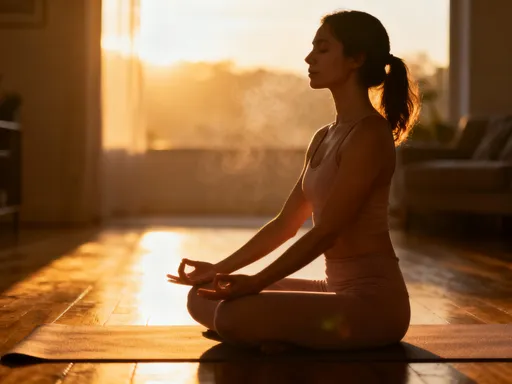
Mind-body practices such as yoga and tai chi deserve special attention. These forms of movement combine physical postures with breath awareness and mental focus, creating a calming effect on the nervous system. Research from Harvard Medical School suggests that regular yoga practice can increase levels of GABA, a brain chemical that promotes relaxation and reduces anxiety—both of which are critical for sleep initiation. Gentle evening yoga sequences, especially those that include forward folds and restorative poses, can signal the body that it’s time to shift into rest mode. Tai chi, with its slow, flowing movements, has been shown in clinical trials to improve sleep duration and quality in middle-aged and older adults.
Timing Matters: When to Work Out for Better Sleep
One of the most common questions I had when starting my movement journey was: When is the best time to exercise for better sleep? The answer isn’t one-size-fits-all, but research offers helpful guidance. The timing of your workout influences your energy levels, body temperature, and hormonal balance—all of which affect sleep.
Morning exercise has distinct advantages. Getting active early in the day, especially in natural light, helps anchor your circadian rhythm. Exposure to sunlight in the morning suppresses melatonin, the sleep hormone, and signals to your brain that it’s time to be awake. This sets the stage for a clearer distinction between day and night, making it easier to feel alert during the day and tired at night. Morning workouts also tend to be more consistent—fewer scheduling conflicts, fewer excuses. Whether it’s a walk around the neighborhood or a 20-minute home routine, starting the day with movement can create a positive ripple effect, boosting mood and focus for hours.
Afternoon exercise also has benefits. Body temperature peaks in the late afternoon, which can enhance physical performance and endurance. This means you may be able to work out more efficiently during this window. Burning energy in the mid-to-late afternoon can also help dissipate excess tension built up during the day, making it easier to relax later. For many women juggling family and work responsibilities, the late afternoon or early evening may be the most practical time to fit in a workout. The key is to avoid intense activity too close to bedtime.
When it comes to evening workouts, the evidence is mixed. Some studies suggest that moderate exercise within an hour of bedtime does not disrupt sleep for most people. However, vigorous exercise—such as high-intensity training or heavy weightlifting—can elevate heart rate and adrenaline levels, making it harder to wind down. If you prefer evening workouts, consider shifting to gentler forms of movement like stretching, yoga, or a leisurely walk. Pay attention to how your body responds. If you notice difficulty falling asleep on nights you exercise late, try moving your routine earlier by even 30 to 60 minutes and observe the difference.
How Much Movement Do You Really Need?
One of the biggest barriers to starting an exercise routine is the belief that you need to do a lot to see results. The truth is, even small amounts of movement can have a meaningful impact on sleep. The U.S. Department of Health and Human Services recommends at least 150 minutes of moderate-intensity aerobic activity per week—about 30 minutes a day, five days a week. But you don’t have to do it all at once. Three 10-minute walks spread throughout the day can be just as effective as one long session.
The concept of the “minimum effective dose” applies here. For sleep improvement, you don’t need marathon training or daily spin classes. Consistent, moderate activity is what matters. A study from the University of Georgia found that low-intensity exercise, such as walking or light gardening, reduced feelings of fatigue by 65% in previously sedentary adults. The same study showed improvements in sleep quality within just a few weeks. This is especially encouraging for women who may feel too tired to start exercising—movement can actually combat fatigue, not add to it.
Everyday activities count. Taking the stairs instead of the elevator, parking farther from store entrances, standing while talking on the phone, or doing household chores like vacuuming or mopping—all of these contribute to your daily movement total. Gardening, in particular, combines physical activity with time in nature, both of which support mental well-being and better sleep. The goal is to build movement into your life in ways that feel natural and sustainable, not like a chore.
At the same time, it’s important not to overdo it. Overtraining—defined as excessive exercise without adequate recovery—can actually impair sleep. Signs include increased resting heart rate, persistent muscle soreness, irritability, and difficulty falling or staying asleep. This is especially relevant for women in midlife, whose hormonal changes can make them more sensitive to physical stress. Balance is key. Listen to your body. If you’re feeling more tired than energized after workouts, scale back intensity or take a rest day. Recovery is part of the process.
Building a Sustainable Routine That Supports Rest
Starting an exercise habit is one thing; maintaining it is another. The most effective routines are those that fit seamlessly into daily life and don’t rely on motivation alone. For women managing households, careers, and caregiving responsibilities, sustainability is essential. The goal isn’t perfection—it’s consistency.
Pairing exercise with existing sleep-supportive habits can create a powerful synergy. For example, if you already follow a bedtime routine—dimming lights, reading, avoiding screens—consider adding a short evening stretch or gentle yoga session. This reinforces the idea that movement is part of your self-care, not a separate task. Similarly, combining morning exercise with a daily walk while listening to a podcast or calling a friend can make it more enjoyable and easier to stick with.
Tracking progress can be helpful, but it doesn’t require a wearable device or an app. Simply noticing how you feel—more energy, better mood, fewer nighttime awakenings—can be enough. Some women find it helpful to keep a simple journal, noting their activity and sleep quality each day. Over time, patterns emerge. You might see that on days you walk, you fall asleep faster. Or that after a strength session, you wake up feeling more refreshed. These small observations build confidence and reinforce the habit.
Motivation often lags in the beginning. Results don’t happen overnight, and it’s normal to feel skeptical if you don’t notice changes immediately. Focus on the process, not just the outcome. Celebrate small wins—completing a week of daily walks, trying a new yoga video, or simply lacing up your shoes on a tough day. Over time, the benefits compound. As sleep improves, energy increases, making it easier to stay active. It becomes a positive feedback loop.
Realistic Expectations and Long-Term Gains
It’s important to set realistic expectations. While some people notice better sleep within a few days of starting regular movement, for most, changes take time—typically two to four weeks. This delay doesn’t mean the approach isn’t working; it reflects the body’s need to adapt. Sleep is a complex process influenced by many factors, and exercise is just one piece of the puzzle. But it’s a powerful one.
Combining physical activity with other healthy habits amplifies the benefits. A balanced diet rich in whole grains, lean proteins, and vegetables supports stable blood sugar, which in turn promotes steady energy and better sleep. Staying hydrated, limiting caffeine after noon, and creating a calm sleep environment all work together with movement to improve rest. The synergy of these habits creates a foundation for long-term well-being.
If sleep problems persist despite consistent effort, it’s important to seek professional help. Chronic insomnia, sleep apnea, restless legs syndrome, or other medical conditions may require evaluation by a sleep specialist. Exercise is a valuable tool, but it’s not a substitute for medical care when underlying issues are present. A healthcare provider can help identify contributing factors and recommend appropriate treatments.
The long-term gains of combining movement and better sleep are profound. Beyond improved rest, women often report increased energy, sharper mental clarity, better emotional regulation, and a stronger sense of control over their health. These benefits extend to family life, relationships, and daily functioning. When you sleep better, you show up more fully—for yourself and for those who depend on you.
Exercise isn’t a magic cure, but it’s one of the most natural, accessible tools for better sleep. By moving your body regularly, you’re not just building fitness—you’re training your system to rest deeply and recover fully. The journey starts small, but the payoff is lasting: more energy, sharper focus, and nights where sleep comes easily. It’s not about perfection—just consistent, mindful movement that honors your body’s need for both activity and rest.