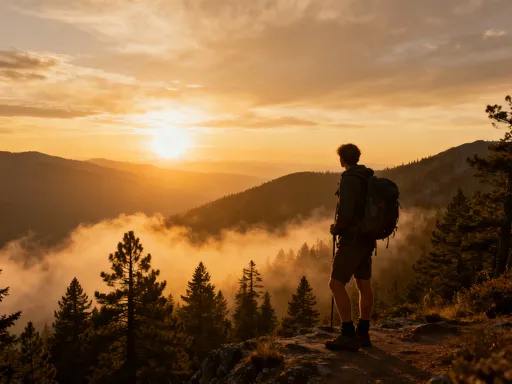
Step Into the Wild: How Hiking Rewired My Daily Habits (And Can Transform Yours)
Hiking changed more than just my fitness—it reshaped how I live every day. What started as weekend escapes became a lifestyle revolution, improving my energy, focus, and overall well-being. This isn’t just about walking trails; it’s about building sustainable habits that stick. If you’ve ever felt stuck in a routine, nature might be the reset you need. Let’s explore how one simple practice can transform your health from the ground up.
The Burnout That Led Me to the Trail
For years, life followed a familiar rhythm: wake up to an alarm, spend hours at a desk, scroll through screens in the evening, and fall into bed feeling tired but never truly rested. Despite eating balanced meals and occasionally visiting the gym, there was a persistent low hum of fatigue. It wasn’t burnout in the dramatic sense—no breakdowns or medical emergencies—but a slow erosion of vitality. The body functioned, but the spirit lagged. The turning point came during a weekend visit with an old friend who suggested a short hike through a nearby state park. At first, the idea felt like just another chore. Yet, something shifted during that two-hour walk. The rhythmic crunch of gravel underfoot, the dappled sunlight through the trees, the absence of notifications—it created a rare mental quiet. That single outing didn’t solve everything, but it planted a seed. It was the first time in months I returned home not exhausted, but energized.
This subtle shift marked the beginning of a deeper awareness. The modern lifestyle, especially for women managing households, careers, and family needs, often prioritizes productivity over presence. Long hours seated, frequent multitasking, and constant digital stimulation drain cognitive reserves. Physical activity, when it happens, is often confined to short bursts in climate-controlled gyms—efficient, perhaps, but rarely restorative. The trail offered something different: movement that didn’t feel like exercise, but like reconnection. It wasn’t about burning calories or hitting step goals. It was about stepping out of a cycle of mental fatigue and into a space where the body and mind could synchronize again.
Why Hiking Is More Than Just Exercise
Hiking engages the body in ways that structured workouts often miss. While a treadmill offers consistency, the trail presents variability—uneven terrain, changing inclines, natural obstacles. This forces the body to adapt constantly, activating stabilizing muscles, improving balance, and enhancing coordination. Unlike repetitive gym routines, hiking is dynamic movement. Each step requires micro-adjustments, turning the entire lower body into an integrated system of strength and responsiveness. Over time, this translates to better joint stability, reduced risk of injury, and improved posture—benefits that carry into daily life, from carrying groceries to playing with grandchildren.
Beyond the physical, the environment itself becomes a healing force. Sunlight exposure regulates circadian rhythms, helping to stabilize sleep patterns. Natural light, especially in the morning, signals the brain to reduce melatonin production, leading to increased alertness during the day and deeper rest at night. Fresh air, rich in oxygen and free from indoor pollutants, supports respiratory health and boosts energy levels. But perhaps the most profound impact comes from the presence of greenery. Studies have shown that spending time in natural settings lowers cortisol, the primary stress hormone. The visual complexity of a forest, the sound of rustling leaves, the scent of damp earth—these sensory inputs reduce mental fatigue and restore attention capacity. This phenomenon, known as Attention Restoration Theory, explains why many people return from hikes not just physically tired, but mentally refreshed.
The rhythm of hiking also creates space for reflection. Without the interruptions of emails or household demands, the mind begins to untangle. Problems that once felt overwhelming are seen with new perspective. This mental reset is not passive—it’s an active recalibration. The combination of steady movement and sensory engagement allows the brain to shift from a state of hyper-focus to one of open awareness. For many women in midlife, who often serve as emotional anchors for their families, this quiet clarity is invaluable. It’s not escape, but re-centering—a way to return to responsibilities with greater patience and emotional balance.
From Trail to Daily Routine: The Habit Transfer Effect
One of the most surprising outcomes of regular hiking was how it influenced habits far beyond the trail. The desire to feel good during a hike led to small, consistent changes at home. Hydration became a priority—knowing that dehydration could lead to fatigue or cramps on a steep climb encouraged drinking more water throughout the day. Similarly, meal choices began to shift. Packing nutritious trail snacks—nuts, fruit, whole-grain bars—naturally extended into preparing balanced meals at home. The body began to crave fuel that supported sustained energy, not quick sugar spikes followed by crashes.
Sleep patterns also improved. After a day outdoors, the body signaled readiness for rest earlier in the evening. The absence of blue light from screens during the hike often led to reduced screen time at night, further supporting healthy sleep hygiene. This created a positive feedback loop: better sleep led to more energy for hiking, which in turn reinforced better sleep. The psychological momentum was equally powerful. Completing a challenging hike provided a tangible sense of accomplishment. That feeling of “I did it” spilled over into other areas—motivating small acts of self-care, like stretching after work or preparing a healthy breakfast. Each success built confidence, making it easier to maintain other healthy choices.
This ripple effect is rooted in behavioral psychology. When a person experiences positive reinforcement from one healthy behavior, it increases the likelihood of adopting others. Hiking, as a visible and rewarding activity, acts as a keystone habit—one that triggers a cascade of positive changes. Unlike restrictive diets or intense fitness regimens that often fail due to their demanding nature, hiking feels accessible and enjoyable. The motivation isn’t driven by guilt or obligation, but by the genuine pleasure of being outdoors. This intrinsic motivation is more sustainable than external pressure, making long-term habit formation more likely.
Building a Hiking Habit That Actually Sticks
Starting a hiking habit doesn’t require dramatic changes. The key is accessibility and consistency. Begin with trails that are within a reasonable driving distance—local parks, nature preserves, or even tree-lined urban paths. The goal is not to conquer mountains on the first try, but to build comfort and confidence. Proper footwear is essential; a supportive pair of hiking shoes or trail runners can prevent blisters and reduce joint strain. Dressing in layers allows for temperature adjustments, making hikes more comfortable in varying weather conditions.
Frequency matters more than distance. A weekly one-hour hike is more beneficial than an occasional all-day trek. This regularity helps the body adapt and makes the activity a predictable part of the schedule. For those with limited time, consider breaking hikes into shorter segments—two 30-minute walks during the week can provide similar benefits. Bad weather doesn’t have to be a barrier. With the right gear—a waterproof jacket, moisture-wicking clothing—many find rainy or cool-weather hikes especially refreshing. The sound of rain on leaves or the crispness of a winter forest can deepen the sensory experience.
Beginner discomfort is normal. Sore muscles, shortness of breath, or uncertainty about trail navigation are common at first. These challenges diminish with time. Using trail maps or smartphone apps can ease navigation concerns. Starting with well-marked, flat trails builds confidence before progressing to more difficult terrain. The principle of progress over perfection applies fully here. Every step counts. Even a short walk through a wooded area provides exposure to nature’s benefits. The goal is not to achieve a certain pace or distance, but to show up consistently and enjoy the process.
Designing Your Personal Hiking Lifestyle
Hiking can be tailored to individual goals and preferences. For those seeking stress relief, a gentle walk along a riverside or through a quiet forest offers a meditative experience. The steady rhythm of footsteps, combined with natural sounds, creates a calming effect similar to mindfulness practice. For those focused on fitness, steeper trails with elevation gain provide cardiovascular challenge and strength training. The beauty of hiking is its adaptability—it can be both a workout and a form of therapy, depending on intention.
Pairing hiking with other healthy habits enhances its impact. Taking short breaks to journal thoughts or practice gratitude deepens the mental benefits. Some women find that carrying a small notebook allows them to capture ideas or reflect on personal goals. Others use the time for digital detox—leaving the phone in airplane mode or at home altogether. This intentional disconnection fosters presence and reduces mental clutter. Even simple practices, like pausing to notice the details of a flower or the pattern of bird calls, cultivate mindfulness without formal meditation.
Comfortable gear makes a difference in sustaining the habit. While expensive equipment isn’t necessary, a few thoughtful upgrades can improve the experience. A lightweight backpack with hydration support, moisture-wicking clothing, and a reliable trail map or app increase confidence and enjoyment. Over time, these small investments encourage more frequent outings. The goal is not to become an outdoor expert, but to remove barriers that might discourage participation. When hiking feels pleasant and manageable, it becomes something to look forward to, not endure.
The Ripple Effect on Mental and Physical Health
Over months of regular hiking, physical changes become evident. Cardiovascular endurance improves, making daily tasks like climbing stairs or walking through a store less taxing. Muscles in the legs, core, and back strengthen, supporting better posture and reducing back pain—a common concern for women over 40. Joint mobility increases as movement through varied terrain encourages a full range of motion. Unlike high-impact exercises that may strain aging joints, hiking is a low-impact activity that builds strength without excessive wear.
Mental health benefits are equally significant. Regular exposure to nature has been linked to reduced symptoms of anxiety and improved emotional regulation. The rhythmic nature of hiking induces a mild trance-like state, similar to the effects of repetitive motion in yoga or running. This helps quiet the “busy mind” that often accompanies chronic stress. Many women report increased mental clarity and creativity after hikes—ideas that once felt blocked begin to flow. This isn’t anecdotal; research shows that time in nature enhances cognitive flexibility, the brain’s ability to switch between thinking modes and solve problems creatively.
Emotional resilience also grows. Facing and overcoming small challenges on the trail—navigating a rocky path, pushing through fatigue—builds confidence in one’s ability to handle difficulty. This translates to greater patience and composure in daily life. When faced with household stressors or unexpected changes, the mind recalls the calm achieved on the trail. This isn’t about avoiding stress, but developing a deeper well of inner stability. Over time, hiking becomes less of an escape and more of a grounding practice—a way to return to oneself amidst life’s demands.
Making Nature a Non-Negotiable Part of Life
The most transformative shift occurs when hiking moves from being an occasional activity to a core part of self-care. It’s no longer just exercise; it’s a daily reset, a way to maintain balance. Viewing it as essential, like brushing teeth or preparing meals, ensures it remains a priority. For those with packed schedules, integrating micro-hikes helps maintain the connection. A 15-minute walk through a local park during lunch, a stroll through a tree-lined neighborhood, or even walking around a garden can provide nature exposure. The key is consistency and intention.
This redefinition of health—as something joyful and sustainable rather than rigid or punitive—changes everything. Too often, wellness is framed as sacrifice: restrictive diets, grueling workouts, strict routines. But true well-being thrives on pleasure and repetition. Hiking offers both. It’s movement that feels good, repeated not out of obligation, but because it nourishes the body and soul. For women who have spent years caring for others, it becomes an act of quiet rebellion—a way to reclaim time, energy, and peace.
The trail doesn’t demand perfection. It welcomes all—slow walkers, beginners, those carrying extra weight or managing health conditions. It asks only for presence. And in that simplicity lies its power. By stepping into nature, we step back into ourselves. We remember that health isn’t a destination, but a practice—one that grows stronger with every footfall. If you’ve been waiting for the right time to begin, know this: the trail is ready. All it takes is one step forward.