What If Your Phone Could Help You See Better—Without You Even Trying?
Have you ever rubbed your tired eyes after hours of staring at a screen? You’re not alone. Millions struggle with eye strain, dryness, and fatigue from daily digital use. But what if the very device causing the problem could also help solve it? Eye protection apps are quietly transforming how we care for our vision—not through drastic changes, but through small, smart adjustments that fit seamlessly into our lives. These tools work in the background like a thoughtful friend, gently reminding us to blink, softening harsh light, and helping our eyes feel better without demanding extra effort. And the best part? You don’t have to stop using your phone to protect your eyes. You just need to use it a little differently.
The Hidden Cost of Looking: How Screens Quietly Strain Your Eyes
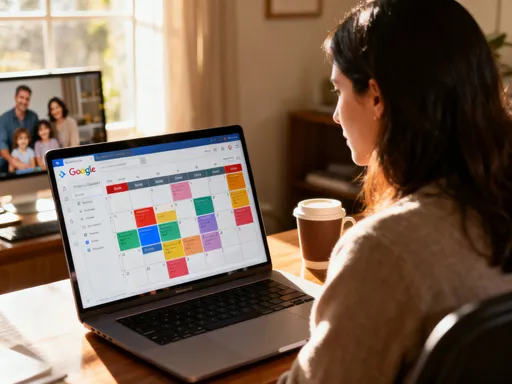
Think about your day. You wake up and check your phone before getting out of bed. You scroll through messages while sipping coffee. At work, you switch between emails, video calls, and documents on your laptop. After dinner, you unwind with a show on your tablet or catch up on news. By the time you turn off the lights, you’ve spent hours—maybe even ten or more—looking at glowing screens. And most of the time, you don’t even notice how much it’s affecting your eyes.
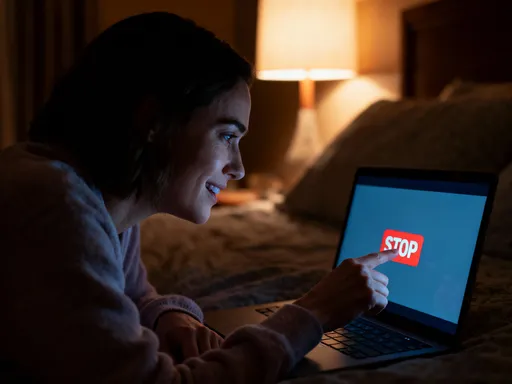
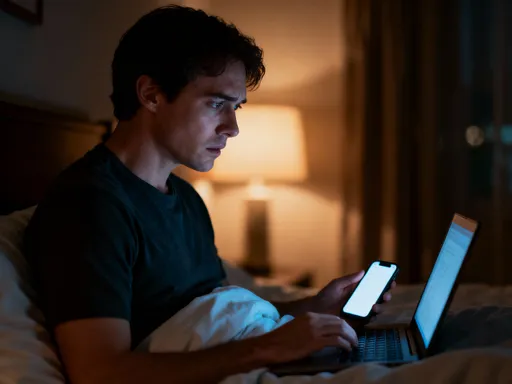
That’s the quiet truth about digital eye strain: it sneaks up on you. It doesn’t hit like a cold or a headache that forces you to stop. Instead, it builds slowly. Your eyes feel dry, like they’re coated in a thin film. You blink less without realizing it—sometimes half as often as you should. Your vision might blur after reading on your phone for too long. You squint, adjust the brightness, or tilt the screen, hoping for relief. And at night, even after you put the device down, your mind feels restless, your sleep delayed. Sound familiar?
For parents, the strain often comes during those quiet moments after the kids are asleep. You finally have time to yourself, so you pick up your phone to read, shop, or watch a short video. But instead of feeling relaxed, your eyes burn. For students, it’s the endless hours of online classes and digital textbooks—staring at one screen after another, trying to stay focused while your eyes grow heavier. Even simple pleasures, like reading a bedtime story on a tablet to your child, can leave you rubbing your temples later.
The reality is, we don’t have to give up screens to protect our eyes—but we do need to change how we interact with them. The good news? Technology isn’t just the cause of the problem. It’s also becoming part of the solution. And it’s not about buying expensive glasses or making big lifestyle changes. It’s about using what you already have—your phone—in a smarter, more caring way.
Meet the App That Watches Over Your Eyes (While You Work)
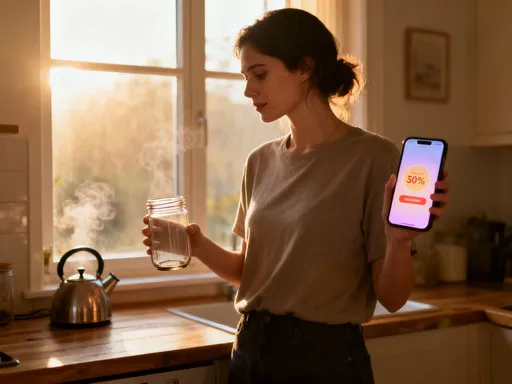
Imagine a helper that knows when your eyes need a break—even when you don’t. That’s what eye protection apps are designed to do. They don’t take over your phone or clutter your screen. Instead, they work quietly in the background, like a gentle guardian for your vision. You install one, turn it on, and go about your day. No extra steps. No complicated settings. Just small, automatic changes that add up to real relief.
One of the simplest yet most powerful features is the 20-20-20 reminder. Every 20 minutes, a soft notification appears: “Look away for 20 seconds. Focus on something 20 feet away.” It’s based on a real eye health guideline, but instead of trying to remember it yourself, the app does it for you. You might be deep in a work email or scrolling through photos, and suddenly, that little message pops up. At first, you might ignore it. But over time, you start to notice how much better your eyes feel when you actually follow it.
Another key feature is blue light filtering. You’ve probably heard that blue light from screens can disrupt sleep. But did you know it also contributes to eye fatigue during the day? Eye protection apps automatically adjust your screen’s color tone, especially in the evening, making it warmer and easier on your eyes. It’s like turning down the brightness of a lamp when you’re reading at night—only your phone does it for you, based on the time of day or your location.
And then there’s blink detection. Yes, some apps can now gently remind you to blink—something most of us forget when we’re focused. Think about it: when was the last time you consciously blinked while watching a video or reading a message? Probably never. But dry eyes often start with that simple, overlooked act. A friendly nudge like “Hey, don’t forget to blink!” can make a surprising difference. These apps aren’t demanding perfection. They’re just there, offering quiet support so you can keep doing what you love—without paying the price with your eyes.
From Awareness to Action: The First Step Is Noticing
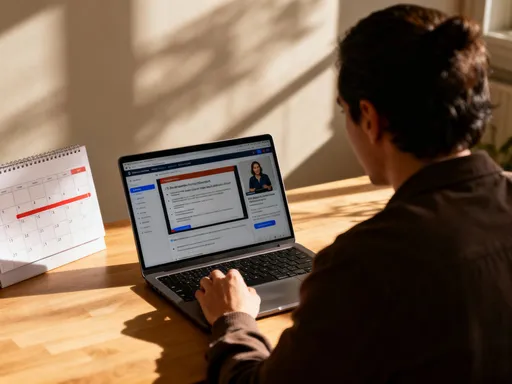
Change starts with awareness. And for many of us, the first time we use an eye protection app is the first time we truly notice how much we ask of our eyes every day. You download the app, follow the setup, and within minutes, a notification appears: “Time to take a break.” You glance at the clock—only 20 minutes have passed since you last looked up. “Already?” you think. But you pause, look out the window, and breathe. And in that moment, you realize something: you hadn’t blinked much. Your eyes felt dry, but you didn’t even know it until now.
This is the “aha” moment so many users describe. It’s not dramatic. It’s not life-changing in an instant. But it’s real. You begin to see your screen time differently—not as harmless, but as something that affects your body in small, cumulative ways. The app doesn’t scold you or make you feel guilty. It simply brings attention to what was invisible before. And that’s where real change begins.
The beauty of these apps is that they meet you where you are. You don’t have to be perfect. You don’t have to remember every rule. Some days, you’ll ignore the reminders. Other days, you’ll forget the app is even running. But over time, those little cues start to shape your habits. You begin to notice when your eyes feel tired. You naturally look away more often. You adjust your posture. You close the app earlier in the evening because you remember how much better you sleep when your screen is dimmer.
It’s not about adding one more thing to your to-do list. It’s about making self-care effortless. Think of it like setting a timer to turn off the oven—you don’t have to remember, the tool does it for you. These apps work the same way, gently guiding you toward better eye health without pressure or perfection. And the more you use them, the more they become a natural part of your day—like brushing your teeth or locking the door at night.
Learning to Listen: How Your Phone Starts to Understand Your Eyes
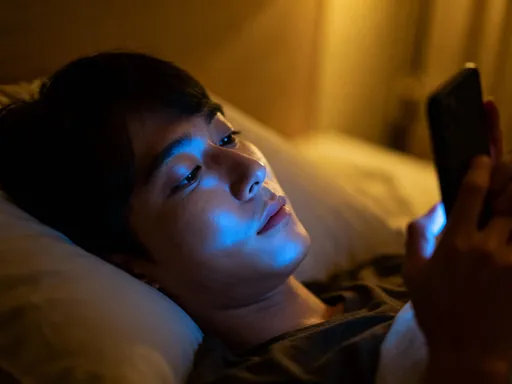
What makes these apps truly special isn’t just what they do—but how they learn. Over time, they begin to understand your habits. Maybe you always use your phone late at night, scrolling in bed. The app notices this pattern and starts adjusting the screen earlier, reducing blue light before you even think about it. Or perhaps you tend to work for long stretches without breaks. The app might send a slightly stronger reminder after 45 minutes, or suggest a two-minute stretch break to reset your focus.
This adaptive intelligence is like having a thoughtful roommate who knows your routines. You don’t have to explain that you’re tired after 10 p.m. They just turn down the lights when they see you yawning. These apps work the same way—quietly observing, learning, and responding in ways that feel personal and supportive.
Some apps even use your phone’s sensors to detect how close you’re holding the screen. If you’re reading in dim light and holding your phone too close, a gentle message might appear: “Try moving your phone a little farther away for more comfortable reading.” It’s not a command—just a kind suggestion, like a friend leaning over and saying, “You might want to sit back a bit.”
And the more you use the app, the better it gets. It doesn’t need complex settings or manual tweaks. It learns from your behavior—when you take breaks, when you ignore reminders, when you adjust the brightness yourself. Over time, it fine-tunes its support to match your life. For busy moms, it might prioritize evening protection to help with sleep. For remote workers, it could focus on daytime comfort during long meetings. The goal isn’t one-size-fits-all. It’s about creating a personalized experience that fits your rhythm, not the other way around.
Small Shifts, Big Relief: What Changes After a Week
After using an eye protection app for just a few days, many people notice real differences. It’s not a miracle cure, but it’s meaningful. Your eyes feel less dry. You don’t reach for eye drops as often. Headaches that used to creep in by mid-afternoon start to fade. You finish work without that familiar squinting and rubbing. And at night, you fall asleep more easily—because your brain isn’t still buzzing from bright screen light.
One mom shared how she used to avoid reading in bed because her eyes would ache within minutes. Now, with the app’s night mode and gentle reminders, she can enjoy a novel for 30 minutes without discomfort. A teacher said she no longer dreads online grading sessions—her eyes feel fresher, even after hours of screen time. A retiree mentioned that he can finally watch his favorite shows without pausing to rest his eyes every few minutes.
These aren’t extreme transformations. They’re subtle improvements—the kind you might not notice until they’re gone. But that’s the point. Progress isn’t always loud. Often, it’s the absence of something that used to bother you. You don’t feel worse—you just feel better, without having to try harder.
And that’s what makes these apps so powerful. They don’t require willpower or major changes. You don’t have to stop using your phone or switch to paper books. You just let the technology help you use your device in a way that respects your body. Over time, those small shifts—looking away, blinking, dimming the screen—become second nature. And your eyes thank you for it.
Sharing the Calm: How Your Habit Helps Your Family See Better Too
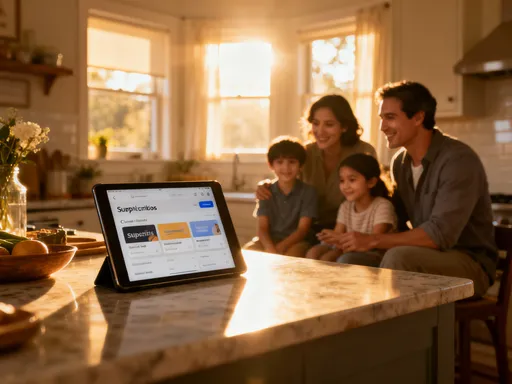
Self-care has a way of spreading. When you start using an eye protection app, it’s not just your vision that benefits—your family starts to notice, too. Maybe your daughter sees the reminder pop up and asks, “What’s that?” You explain, and she downloads it on her tablet. Soon, she’s taking breaks during homework and sleeping better. Or your partner mentions they’ve been waking up with headaches. You show them how to turn on night mode, and within days, they feel the difference.
For families with young children, this can be especially meaningful. Kids spend more time on screens than ever—in school, for homework, and for play. But their eyes are still developing, and they’re even more sensitive to blue light and strain. When parents use these apps, they model healthy screen habits. And many apps now offer kid-friendly versions, with fun animations and simple reminders that make eye care feel like a game.
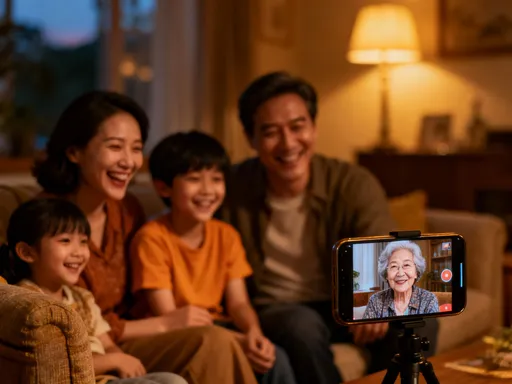
One grandmother shared how she started using an app to protect her eyes while video-calling her grandchildren. She loved seeing their faces, but the calls left her with dry eyes. After turning on the app, she could enjoy longer conversations without discomfort. Her daughter noticed and started using it too—then recommended it to her coworkers. What began as a small personal choice became a ripple of better eye care across a whole circle of people.
That’s the quiet power of technology when it’s designed with care. It doesn’t have to be flashy or complicated. It just has to work with your life, support your well-being, and inspire others to do the same. When you take care of your eyes, you’re not just protecting your vision—you’re creating a healthier, more mindful way of living for everyone around you.
Seeing Clearly, Living Fully: Why This Small Change Matters More Than You Think
At its core, eye protection isn’t just about avoiding discomfort. It’s about preserving your ability to see the world—the people you love, the beauty around you, the small moments that make life rich. Think about the last time you watched a sunset, read a handwritten note from a child, or looked into the eyes of someone dear to you. These experiences depend on your vision. And every choice you make to protect your eyes is a choice to protect your connection to life.
Eye protection apps don’t promise perfection. They don’t eliminate screen time or solve every health issue. But they do something important: they make self-care simple, sustainable, and part of your daily rhythm. They remind you that you don’t have to choose between staying connected and staying healthy. You can have both.
And for women in their 30s, 40s, and 50s—who often juggle work, family, and personal goals—this kind of support is priceless. You don’t need another task to manage. You need tools that work for you, not against you. These apps are exactly that: quiet allies in a busy world, helping you feel better without asking for more.
So the next time you pick up your phone, ask yourself: what if this device could help me feel better, not just stay connected? What if it could protect my eyes while I use it, not just strain them? The technology is here. It’s simple. It’s effective. And it’s ready to help you see more clearly—so you can live more fully, one gentle reminder at a time.